ISM® News: White Paper Focuses on ‘Telling the Story’ of Cost and Risk
For years, supply management’s core mandate was straightforward: secure the lowest price without sacrificing quality or service.
That mission still matters, but it no longer captures the full job. After years of tariffs, trade disputes, the coronavirus pandemic, geopolitical conflict, cyberattacks and extreme weather, procurement teams are being asked to do more than cut costs — they must also help protect the business when disruption hits.
That shift is moving procurement from a cost-first function to one that weighs savings and risk in every sourcing decision. A white paper from Institute for Supply Management® (ISM®) and Amazon Business, Balancing Cost and Risk: An Operating Model for Supply Chains, found that 71 percent of survey respondents now view balancing cost and risk as a primary driver of procurement decisions.
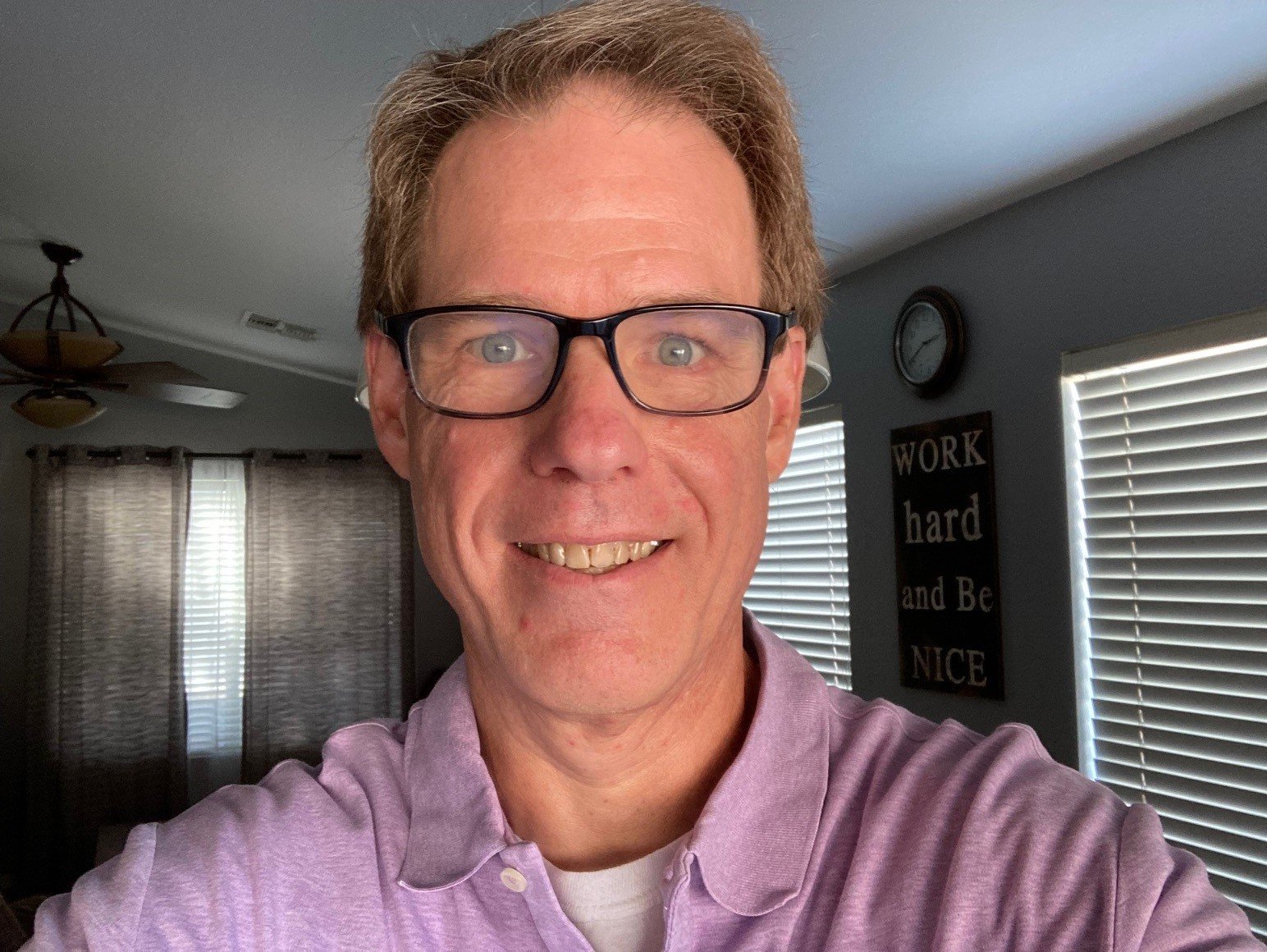
“It’s about telling the story in terms leadership understands,” says Jim Fleming, CSPM, CPSD, manager of product development and innovation at ISM. “If your supply chain goes down, your revenue goes down. That’s compelling not only for the supply chain group, but also for the CEO and CFO. That gets attention.”
Still, awareness has not translated into full readiness. Fewer than half of respondents said their organizations are adequately prepared for future disruptions, and nearly two-thirds still rely on manual reporting to gather supply chain data.
The findings point to a familiar challenge: Companies know resilience matters, but many are still building the systems and habits needed to make it part of daily decision-making. Risk-adjusted total cost of ownership offers one path forward.
Instead of focusing only on unit price, procurement teams evaluate supplier reliability, service performance, internal process costs and the financial impact of disruption.
The goal is not to predict every crisis. It is to make sourcing decisions that reflect the true cost of doing business when something breaks.
Among the white paper’s key takeaways:
- Procurement has moved beyond lowest price. The strongest sourcing decisions now weigh cost, reliability, risk and business continuity.
- Many organizations recognize the need to balance cost and risk, but readiness gaps remain — especially around data visibility and manual reporting.
- A risk-adjusted total cost of ownership model can help teams account for hidden costs that surface when suppliers, logistics or critical materials fail.
ISM Board of Directors Vote Begins This Week
Institute for Supply Management® (ISM®) bylaws provide that the Nominating Committee recommend individuals to serve on the ISM Board of Directors. A membership vote, either in person or by proxy, is required to elect the candidates proposed by the Nominating Committee.
The candidates for the 2026-27 ISM Board of Directors:
- Norbert Dean, MBA, CPSM, vice president of global strategic sourcing at Disney Experiences (two-year term)
- Hemant Porwal, CPSM, CPSD, executive vice president — supply chain and operations at Wesco International (three-year term)
- Michelle Hawkins, MBA, PMP, senior vice president of strategic procurement at Charter Communications (three-year term).
The Board of Directors vote begins online at 10 a.m. ET on Friday. Members can cast ballots through the Survey & Ballot Systems web site, using an identification number and election passcode received via email. Per ISM bylaws, in-person and proxy ballots will be counted at the ISM Annual Membership meeting on August 27.
More information can be found here.
Annual Membership Meeting
The Annual Membership Meeting is on August 27 at 2 p.m. PT at ISM’s new office, 350 W. Washington St., Suite 301, in Tempe, Arizona.
Following the Board of Directors vote tabulation, the first meeting of the 2026-27 ISM Board of Directors will take place virtually at approximately 2:15 p.m.