IT Contract Negotiations in the Age of AI

AI, cloud computing and digital supply chain technologies are fundamentally transforming how organizations operate, compete and manage risk.
As companies accelerate automation initiatives and expand AI-driven procurement and supply chain capabilities, IT contracts have become strategic instruments that influence financial performance, cybersecurity resilience, operational continuity and long-term enterprise value.
For procurement and supply management leaders, IT contract negotiations are no longer administrative exercises focused solely on pricing. They now represent critical opportunities to secure flexibility, mitigate operational and cyber risk, strengthen supplier accountability, and enable scalable digital transformation.
The Strategic Importance of IT Contracts
Modern supply chains are increasingly powered by interconnected digital ecosystems that rely on such factors as cloud infrastructure, AI-driven analytics, software-as-a-service (SaaS) platforms and automated procurement technologies.
As organizations digitize operations, IT contracts increasingly influence supply chain continuity, cybersecurity resilience and regulatory compliance. Supplier collaboration, inventory optimization, logistics visibility, financial performance and customer experience also are impacted.
This growing dependency on technology platforms means procurement professionals must evaluate IT contracts not only from a sourcing perspective, but also through the lenses of enterprise risk management, digital transformation and supply chain resilience.
Numerous factors — SaaS adoption, supplier consolidation, escalating subscription-based pricing models, expanding cybersecurity obligations and increased regulatory scrutiny — are driving the increased complexity in technology contract negotiations.
Organizations frequently discover that contracts signed years earlier no longer align with current operational realities. In many cases, businesses are paying for overlapping applications, unused licenses or inflexible consumption models that no longer support growth objectives.
The Hidden Risks of Reactive IT Renewals
Many organizations approach renewals too late in the contract life cycle. Suppliers often use timing pressure to accelerate decisions before customers have fully assessed alternatives, benchmarked pricing or completed internal stakeholder alignment.
Reactive renewals create several risks, including limited negotiation leverage, higher renewal uplifts, auto-renewal exposure, inadequate cybersecurity review, insufficient legal protections and poor alignment with future business needs.
Organizations that begin the renewal process six to 12 months before expiration gain substantial leverage over suppliers. Early engagement allows procurement teams to conduct detailed usage audits, benchmark pricing, assess supplier performance, evaluate alternatives and align negotiations with future business requirements.
Organizations that wait until the last minute often negotiate from a position of urgency rather than strength.
Collaboration, Benchmarking and Other Strategies
High-impact IT negotiations require collaboration across procurement, legal, cybersecurity, finance, IT architecture, compliance and operational leadership teams. This ensures that commercial, legal, operational and technical risks are addressed simultaneously while strengthening negotiation credibility with suppliers.
Among other benefits and considerations:
Benchmarking creates quantifiable savings. Benchmarking remains one of the most powerful tools in technology negotiations. Suppliers routinely price contracts differently across customers, industries and regions. Without external benchmarking data, companies could overpay significantly for similar services.
Organizations that benchmark pricing and commercial terms gain stronger leverage to challenge excessive renewal uplifts, noncompetitive licensing structures, and restrictive usage models.
Leveraging market competition to improve outcomes. Even when organizations intend to remain with an incumbent provider, engaging alternative suppliers creates leverage and improves visibility into market pricing, functionality, service quality and commercial flexibility. Suppliers are more likely to offer aggressive pricing and favorable commercial terms when they believe replacement risk is credible.
The financial impact of strong IT negotiations. Strategic IT negotiations can create substantial enterprise value through negotiated savings, optimized payment structures, reduced renewal uplifts and improved working capital. Strong procurement organizations increasingly position technology negotiations as value creation initiatives rather than simply cost reduction exercises.
Focus beyond price: contract risk matters. Technology contracts increasingly expose organizations to cybersecurity, data privacy, intellectual property, operational continuity and regulatory risks. Procurement leaders must work closely with legal, cybersecurity, finance and operational stakeholders to ensure that contracts adequately protect enterprise interests through balanced indemnities, liability caps, data protection provisions and termination rights.
AI and the New Technology Contract Landscape
AI is rapidly transforming procurement and supply chain management through predictive demand forecasting, autonomous procurement workflows, AI-enabled supplier risk monitoring, robotic process automation and generative AI decision-support tools. While these create opportunities for operational efficiency, they also introduce new categories of contractual and enterprise risk in such areas as:
Data ownership and governance. AI systems depend heavily on enterprise and supplier data. Procurement leaders must ensure contracts clearly define data ownership rights, permitted data usage, data residency requirements, retention obligations, confidentiality protections and data portability rights upon termination. Without clear contractual language, organizations may lose visibility or control over strategically sensitive operational data.
Cybersecurity and AI risk exposure. AI-enabled platforms increase the importance of cybersecurity protections. Procurement and legal teams should negotiate enhanced cybersecurity indemnities, mandatory breach notification timelines, security audit rights, cyber insurance requirements and incident response obligations. As AI adoption expands, organizations must also address risks associated with algorithmic bias, automated decision-making failures and system transparency.
Consumption-based pricing risks. Many AI vendors are shifting toward usage-based pricing structures tied to data volume, automation activity, application programming interface (API) usage or computational consumption. Without proper controls, organizations may experience significant cost escalation. Procurement leaders should negotiate usage transparency rights, spend visibility dashboards, pricing caps, predictable scaling models and audit rights.
IT Contracts as a Supply Chain Resilience Tool
The coronavirus pandemic, geopolitical instability, cybersecurity incidents and logistics disruptions exposed how vulnerable modern supply chains can become when digital systems fail.
Today, IT contracts play a critical role in operational resilience through clearly defined recovery obligations, service-level commitments, escalation procedures and transition support requirements.
Technology negotiations increasingly require procurement leaders to align diverse stakeholder priorities, influence executive decision-making, balance cost reduction with operational resilience, and support enterprise innovation initiatives.
The most effective procurement professionals combine technical understanding with influence, leadership and negotiation expertise. High-impact IT renewals require preparation, discipline and strategic alignment.
Leading organizations consistently follow several core principles:
- Start renewal planning early
- Benchmark pricing and market terms
- Conduct rigorous license and usage audits
- Negotiate strong contractual protections
- Align liability structures to enterprise risk
- Use supplier performance data to drive accountability
- Focus on long-term business value rather than short-term savings.
Organizations that establish disciplined IT contracting practices today will be better positioned to scale AI capabilities responsibly, strengthen digital supply chain resilience, and maintain competitive advantage in an increasingly automated business environment.
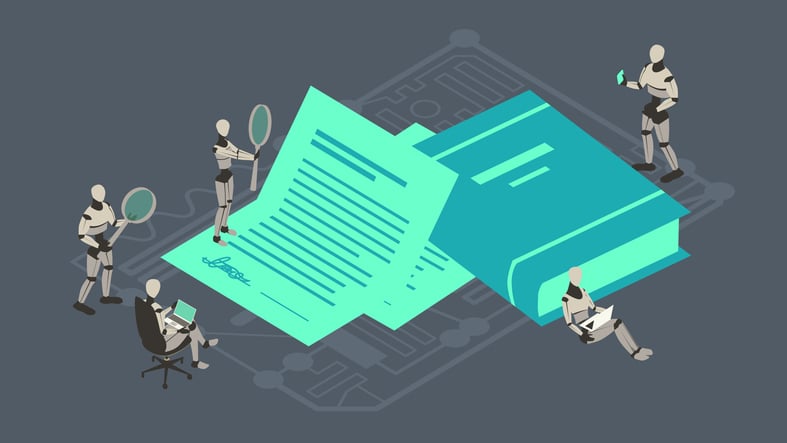
(Image credit: Getty Images/Mathisworks)