Jim Fleming, CPSM, CPSD: A Career Reflection
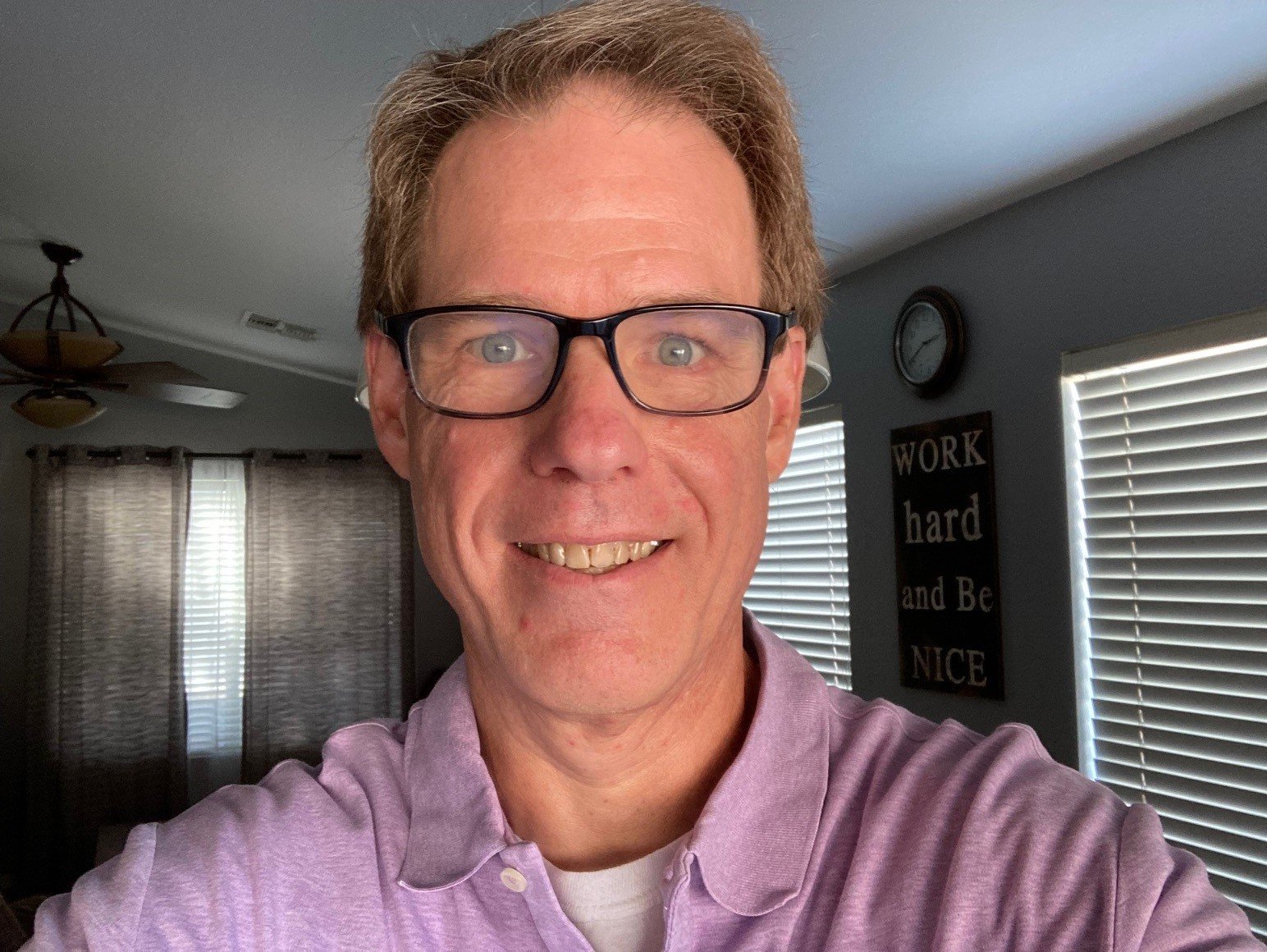
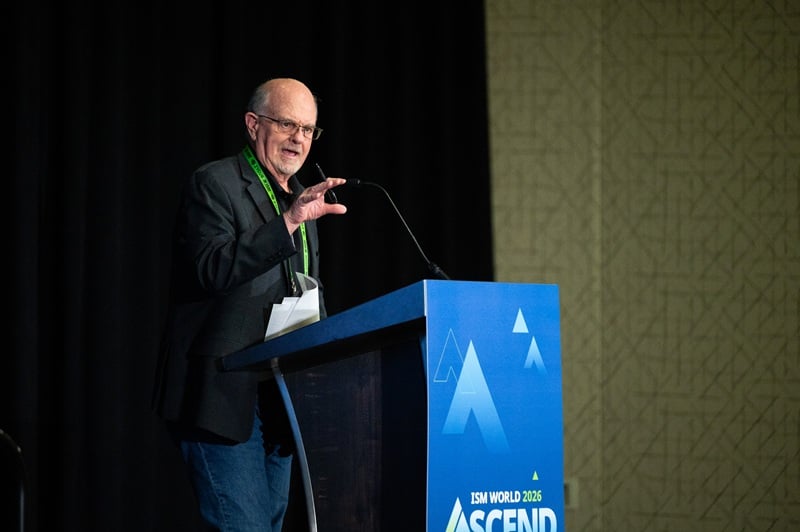
During his three-decade career at Intel Corporation, Jim Fleming, CPSM, CPSD, often performed employee education — particularly on how the engineering and supply management functions can help one another.
Not only did he find teaching one of the most satisfying and energizing elements of the job, but Fleming also discovered a way to spend part of his time after retiring from Intel in 2014. Institute for Supply Management® (ISM®) was the beneficiary.
He began volunteering at ISM, and his first significant contribution was to support development of the ISM Mastery Model®, now the Supply Chain Capability Model™. Fleming’s fingerprints expanded to almost every facet of ISM’s education and certification offerings, and his retirement didn’t last long — he joined the association full-time in 2015.
“After so many years in industry fighting fires and crises, coming here was a breath of fresh air,” says Fleming, Manager, Product Development and Innovation at ISM. “I found I had time to think things through and overlay academic frameowrks with the realities.
“At ISM, I was around really smart people, in a family-like atmosphere, and was able to finish work at the end of the day and feel good about what I had done.”
For Fleming, those days are coming to an end. This week is his last at ISM.
He’s retiring again, ending of an era in which ISM members benefitted from his insights through education and certification materials, courses and webinars, Annual Conference sessions, and contributions to countless Inside Supply Management® magazine and e-newsletter articles, especially for The Monthly Metric and Supply Chain Roundtable series.
(A personal aside: In 2017, Fleming gave me and Sue Doerfler individualized instruction for ISM’s multiweek “Fundamentals of Purchasing” course; I still refer to my notes on occasion. That generosity with his time exemplified not only Fleming’s passion for teaching, but also ISM’s “be one team” value.)
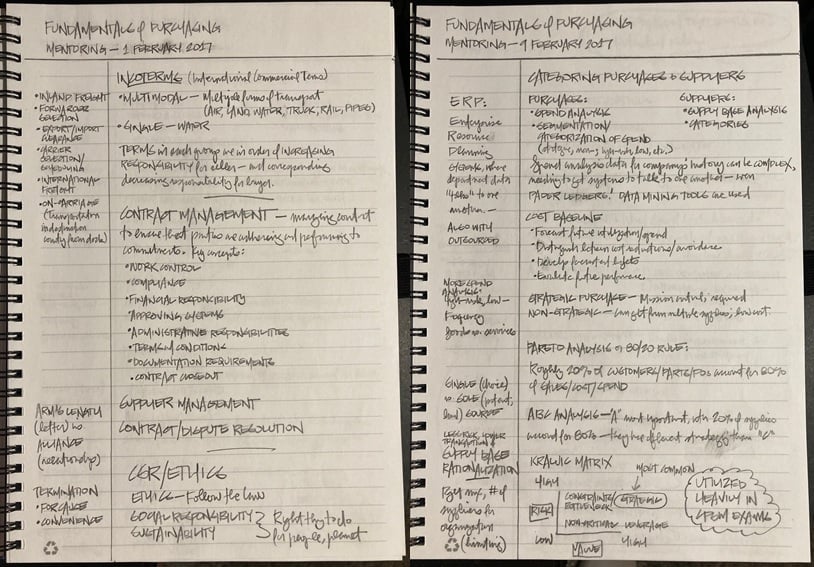
Dan Zeiger’s notes from a “Fundamentals of Purchasing” course, taught by Jim Fleming, CPSM, CPSD, in 2017.
After this week, the primary recipients of Fleming’s time will be his wife Linda and family, particularly four grandchildren. He’s excited to pursue such endeavors as travel and running 5K races.
Before starting his supply chain sabbatical — it’s for at least a year, though he’s not ruling out a return to teaching — Fleming sat down to discuss his career and the profession.
Question: Is there a project at ISM you’re most proud of?
Answer: The digital learning system for the CPSM® (Certified Professional in Supply Management®) credential. At the time I was hired, everything was in a book. We were asked to try to digitize the process. So, I looked for suppliers that could take our standard product and create a digital experience. We did supplier evaluations, the same thing I was doing as a supply chain professional at Intel. We found a platform that fit and took everything we had in our books, our Diagnostic Practice Exams, and created this digital experience that we eventually built in-house. Now, everything is in the digital environment, but that product was the first thing that really stood out. The second thing is the evolution of the Mastery Model. The 16 competencies that we defined back in 2015 are still the same foundational competencies.
Q: Did you ever see teaching as a career path?
A: As I taught different workshops and things at Intel, I developed this innate feeling that I really liked it. And I stumbled into ISM completely through a network; somebody mentioned that (the association) is always looking for volunteers, and if I ever had a desire to teach, give it a call. I taught, worked on the Mastery Model, did some work on the CPSM, and volunteering became something that was really enjoyable. I was filling a void. And then as I came in one day for a project update, I was asked if I wanted to come to work full time. Yeah, it sounded great.
Q: You’ve had a front seat for supply chains and the profession changing a lot over the years. What do you think about most as you take a step back?
A: I always go back into that analogy of when the world ran out of toilet paper (during the coronavirus pandemic), everybody all of a sudden knew about supply chains. That brought a lot of credibility into a profession that had always been viewed as back office to people really seeing the value. Executive staffs knew it was a competitive advantage. So, to watch the evolution of public awareness that supply chain is a real profession with science behind it has been satisfying. Watching technology has been the other thing. As an engineering manager, I grew up inside of Intel and was part of the evolution of microprocessors and transistors. I’ve had the privilege to see how those technologies have been utilized for the supply chain profession. Whether it’s AI, autonomous vehicles or ERP systems, the technology is becoming front and center, and the profession is no longer viewed as just generating POs and getting in the way. The supply chain profession is truly a strategic game changer for corporations of all sizes. It has been an honor to work for ISM as it helps transform the world, one supply chain at a time.
(Top photo credit: Ember Light Media)