Driving Discussion Is a ‘Sweet Spot’ for ISM World 2026 Emcee
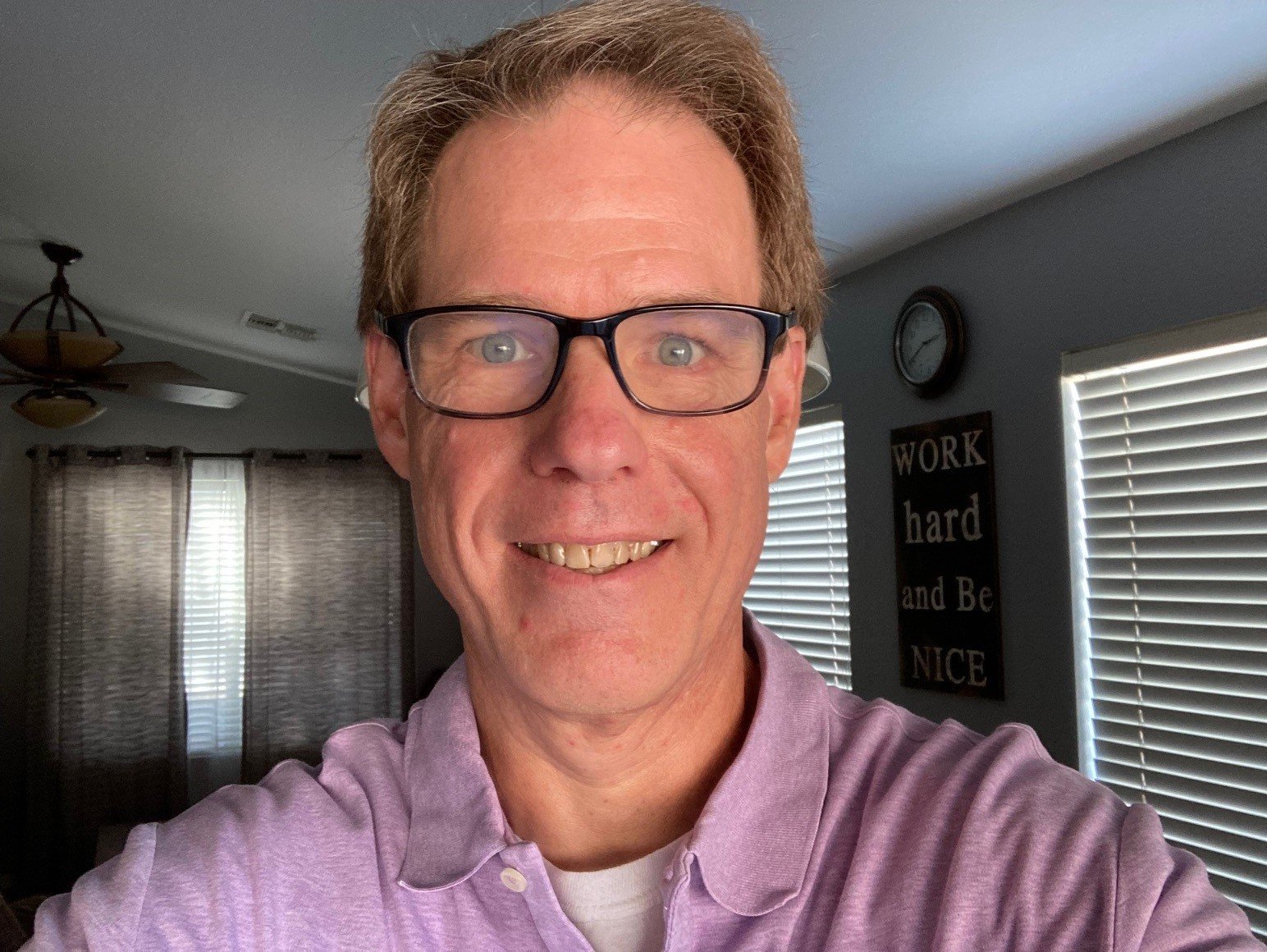
As chief media/brand officer at TrailRunner International, Kelly Wallace combines her business education and expertise with her decades of media experience to provide strategic advice and communications. “(E)very day is different, like in a newsroom,” she says. (Photo courtesy of Kelly Wallace)
Although facilitating supply chain discussions is a new entry on her lengthy resume, Kelly Wallace won’t be out of her element at ISM World 2026.
She’s well aware of the challenges businesses face. As New York-based chief media/brand officer at TrailRunner International, Wallace leads the firm’s work training C-suite executives for media interviews and presentations as well as branding and communications, using skills first honed in the 1980s at the Wharton School at the University of Pennsylvania.
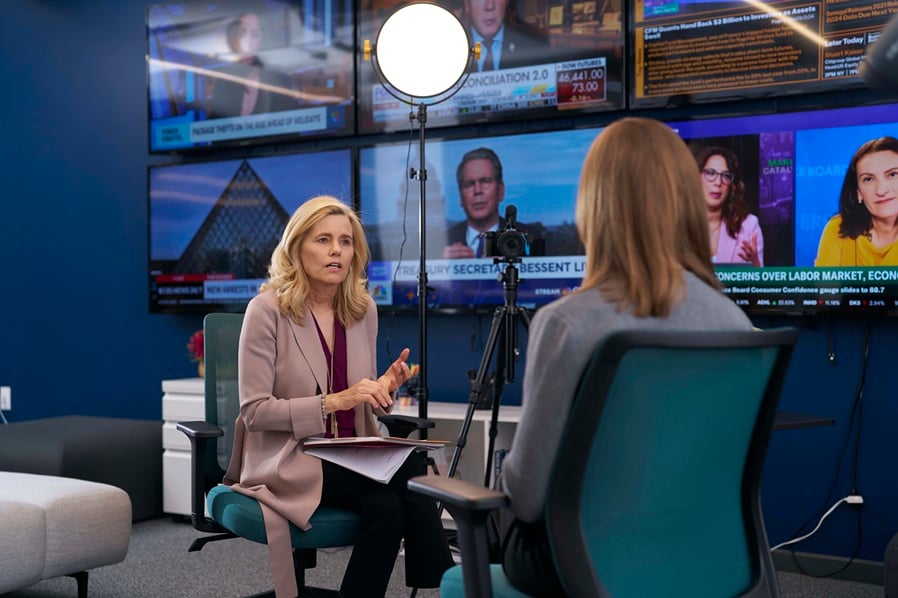
And in more than 20 years as a journalist at such outlets as CNN and CBS News and digital content creator for iVillage, she regularly interviewed such dignitaries as former first lady Michelle Obama and helped drive conversation from boardrooms to living rooms.
As emcee, Wallace will host general sessions and interview supply chain leaders at ISM World 2026, Institute for Supply Management®’s (ISM®) Annual Conference that begins on Sunday at the Gaylord Rockies Resort & Convention Center in Denver.
Wallace spoke with Inside Supply Management® about the Conference, her journalism career and her role at TrailRunner International, among other topics.
Question: As emcee of ISM World 2026, yours will be the face many attendees see most in Denver. Discuss your role and what you’re looking forward to most at Conference.
Answer: I’ve done a fair amount of leading panel discussions, especially in my journalism days, and I’ve been a moderator and keynote speaker. I’ve always loved leading live conversations at events, and when Debbie (Fogel-Monnissen, Interim CEO at ISM) and her team invited me, I jumped at the opportunity. I love the experience of live community engagement and facilitating interesting conversations. I have the pleasure and honor of leading the keynote session and Q&A with Kara Swisher, which should be fantastic in terms of all the issues around AI and technology that we’re all dealing with. At the closing session, I’ll be part of a conversation with J. Shipman Award winners and talk about the issues they face. I think that’s my sweet spot — interviewing and leading a conversation, trying to tap into the issues people are interested in, and moving the discussion along.
Q: As a journalist, you tapped into alternative technologies before many of your colleagues. Discuss how technologies are advancing at a rapid pace, and the challenges that companies and supply chains face in adapting.
A: The amount of change on a daily basis right now is nothing like what I experienced in my journalism career. There were moments like the internet boom and a drive to digital. We’re all thinking about ways that we can utilize technology to be more productive and efficient, as well as more creative and strategic. When I made the pivot from broadcast journalism to the iVillage platform, some friends said I was so forward-thinking. But I just wanted to be in a place to lead conversation, community and content for women, and so a digital lifestyle platform was the place to do that as opposed to a broadcast network. And now with AI, we’re thinking about how best to utilize it. I’m part of a strategic communications firm, and how do we utilize technology in the best way while giving our clients the power of our judgment, relationships, skill and experience? It’s a work in progress, for sure.
Q: What attracted you to TrailRunner International, and what made you decide it was time to leave full-time journalism?
A: I was in my third stint at CNN, trying to build digital platform content and community conversation, almost replicating what I did at iVillage. It wasn’t coming together, and for the first time in my career, honestly, I was at a place where I knew what I wanted to do, but it wasn’t happening. Then, I connected with Jim Wilkinson, the founder and executive chairman of TrailRunner. He was a deputy communications director at the White House when I was a White House correspondent for CNN. I still wanted to oversee content, but I really wanted more strategic thinking and a business development role. So, Jim said, “You could go into communications … and it just so happens we’re looking for someone to run our New York office.” I think I was the 19th employee. I met everyone at TrailRunner and I was so blown away by the talent, the intellectual depth, the curiosity. It reminded me of a culture of my early days at CNN, where it was all about hard work. The only thing I didn’t know: Am I going to like the work? But it was clear early on that strategic advisory and communications plays into so many elements of my skill set. And every day is different, like in a newsroom. That has kept me at TrailRunner, and it’s been seven years and counting.
Q: Does it feel like your career has come full circle? How did you get into journalism after coming out of the Wharton School?
A: I was always good at math and figured that would be of good use in business. But it was actually halfway through Wharton that I knew I wanted to go into journalism. I was living in Brooklyn after graduation, and entry-level news jobs in New York were hard to come by, so I took a job in the business side of television, which my Wharton degree helped with. I then moved to Washington, D.C. and started from scratch with a job as a public-affairs assistant for a business show, then behind the scenes at CNN. To get my first on-air opportunity, I had to drive all the way to Albuquerque, New Mexico. But I chased that dream and am proud that I persisted, and I ended up loving it.
Q: Work/life balance has become increasingly important to supply chain professionals, especially after burnout was prevalent during the coronavirus pandemic. Discuss your experience in finding that balance — and the tough decisions that can come with it.
A: It was around 2010, and I had two small children. I was at CBS News, and the phone would often ring: Kelly, we need you to fly to Boston or we need you to fly to Buffalo to do this report. All I could think of is that I’m not going to be around for my kids for a period of time. So, I made the decision to step away. Sixteen years later, I hope that we’ve gotten to a place in business where we can make it work a little better. We talk about how some decisions are hard, but they shouldn’t be. We can work from anywhere via Zoom meetings or conference calls. It shouldn’t be so rigid like it was then, where the trade-off was you either commit 100 percent and can’t be where you sometimes want to be, or else you’re not on board. I understood that at the time, but it didn’t work for the way I wanted to live my life and the mother I wanted to be. People are dealing with aging parents or young children, so let’s be creative. Let’s solve problems. Let’s figure out how we can make it work, because many of us have shown that we can still do these jobs at an incredibly high level.
Q: What is your perspective on the current supply chain environment?
A: As has been often discussed, the pandemic brought supply chains into the mainstream, and everyone has learned about the disruptions and interconnectedness. And those disruptions continue due to global crises like the Iran war, international policy and the geopolitical environment. Meanwhile, AI and other technologies are changing the game. I’m looking forward to learning at the Conference, particularly about themes, concepts and conversations that attendees may feel aren’t getting as much attention. I’d love to help tell those stories or get those issues out there — to help bring about change or at least drive the conversation.