Build Awareness, Plan for Impact and Leave a Legacy

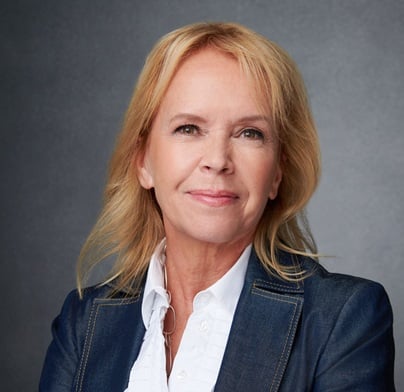
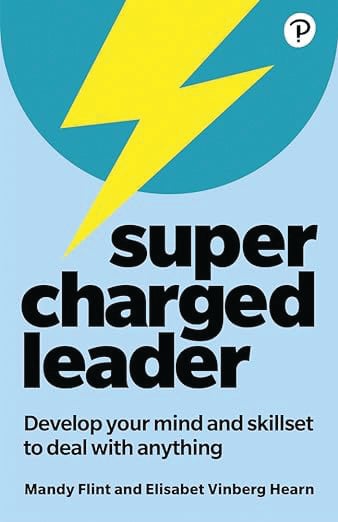
While in India recently to talk about our leadership books, we were reminded how important it is to take time for executive reflection. What kind of ripple effect does your leadership style have?
What makes the difference between leaders with great, positive impact and those with less effective or even negative impact? It starts with self-awareness and social awareness. The more aware you are of your thoughts, feelings, values, stressors, energizers and surroundings, the more you can manage your impact and create the ripple effect you need to succeed.
How you act and show up impacts others, creating ripple effects that go further than you might expect. Leadership behavior is contagious, so choose your behavior with care. Ripples are contagious; they spread out, shaping work culture. So, make sure to take time for reflection.
What Does Reflection Mean?
What is the condition of your awareness muscle? Awareness needs training, just like a muscle in your body does. It needs to be used and flexed to be strong.
The most impactful leaders fine-tune their actions and behaviors to the situation and the people they’re with. While we might not get it right all the time, we can maximize our impact with greater awareness and focus.
Great impact is especially important for leaders. As a leader, you deliver results through others and with them. A healthy impact, through actions and behaviors, increases the success odds of those results.
Impact starts in reflection. Few leaders take ample time for the reflection that their job requires. If you’re serious about wanting to lead a team and a business to success, you need to be serious about taking reflection time. After all, if you are not reflecting as a leader, then who is? Reflection time gives you the time and space to stop, hit the pause button and take time to make things clearer.
How to Reflect
Reflection time does not necessarily mean sitting quietly in a corner and thinking; it can reflect your personality style. Some leaders like to discuss ideas with others, without an agenda, while others like to take a walk to reset, refresh and think. There is no right or wrong method. With self-awareness, we can work out the unique way that works for us.
Block time for reflection at regular intervals, ideally at least once a week. If possible, choose a specific weekday and time; this helps develop a habit. Spend the time to think ahead, be strategic and anticipate what’s coming up. Like playing a game of chess, think about the next move and moves beyond that. Reflect on results, meetings, exchanges with key stakeholders and other important topics. Evaluate and make decisions to take your insights forward.
A Five-Step Approach
When it comes to creating the ripples you want and need, our impact strategy creator will get you off to a good start.
Step 1: Decide on the Impact You Want to Have
Reflect: What impact do you want to have, and on whom?
Act: List situations, initiatives, projects, places, teams and people.
Step 2: Clarify What It Will Lead To
Reflect: Why do you want to have that impact? What difference will it make?
Act: Map out the links between your impact and team/divisional goals, as well as the organizational vision and mission.
Step 3: Set a Target Date
Reflect: When do you want to achieve that impact?
Act: Decide on milestones and deadlines.
Step 4: Create an Action/Behavior Plan
Reflect: How will you create a ripple effect?
Act: List ideas for actions to take and behaviors to adopt. Consider the support you may need from others.
Step 5: Decide on Success Measures
Reflect: How will you measure and assess your impact going forward? How will you measure if your ripples succeeded?
Act: List possible measurements, such as surveys, feedback or products.
A leader is always “on stage” as a role model. People see what you do, so your ripple effect is a reality. Impact happens through knowledge and skill, and sometimes through a position of power. Perhaps most importantly, it occurs through behaviors. What do you choose to make contagious in your organization?
Consistent and/or powerful impact creates your legacy and writes what the history books would say about you. Your legacy is also your personal brand. What legacy do you choose? When you move on to the next role, what do you want to be remembered for?
Though impact has always been important, it has often been a subconscious occurrence rather than a focused effort. Its importance has grown over time, hence the need to manage or create the impact you want. By being proactive about it, you’ll get there quicker.
If you are a senior leader, your impact is magnified. You set the pace for your organization. You need to lead and role model the kind of impactful behaviors the organization, its people, its customers and other stakeholders need.
Your impact is your legacy.
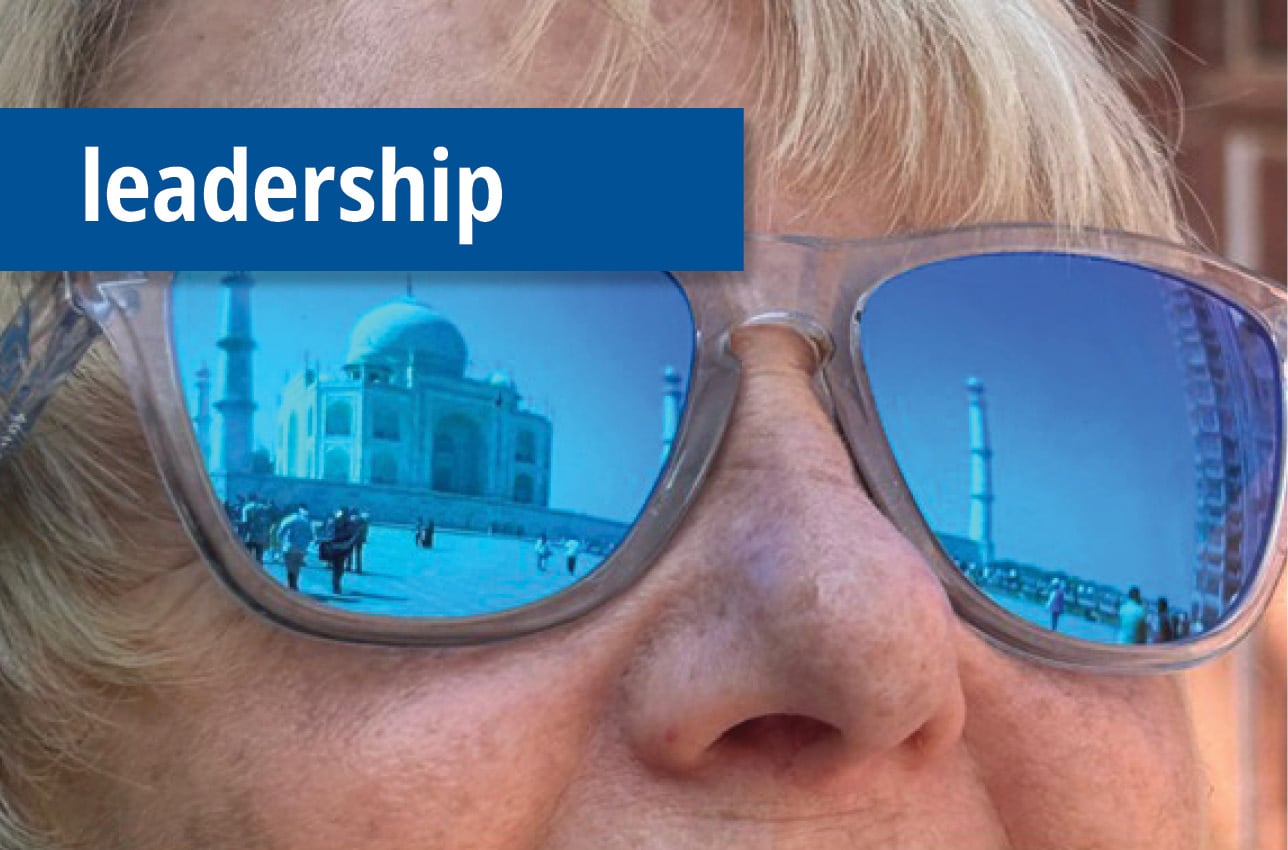
Photo courtesy Mandy Flint and Elisabet Vinberg Hearn