
Tail Spend: The Missing Link in ESG Progress

For most global organizations, sustainability has moved from aspiration to expectation. This shift is being driven by a combination of corporate commitments, investor pressure, customer scrutiny, and a growing number of reporting and disclosure requirements.
Some of these frameworks are regulatory. Others are voluntary but increasingly influential. Across many industries, companies are now expected to demonstrate progress against emissions reduction goals, ethical sourcing standards, supplier diversity targets and broader environmental, social and governance (ESG) objectives.
In many cases, the most challenging part is not defining those goals but rather operationalizing them across the full supplier ecosystem. Most organizations have strong processes for strategic suppliers. These vendors are generally very visible and typically governed through structured contracts. Usually, procurement teams can negotiate requirements and sustainability teams can engage them directly.
But beneath that strategic layer sits a less visible part of the supplier base. Typically, around 20 percent of third-party procurement falls into the “tail” — thousands of lower-value, high-frequency transactions spread across a fragmented supplier base that can represent as much as 80 percent of suppliers. These are often purchases tied to maintenance, repair and operations (MRO), logistics, IT services, facilities and other categories that keep businesses running.
Individually, they appear minor. Collectively, they can greatly impact execution of ESG strategy.
The Scope 3 Supplier Data Challenge
One of the clearest examples is Scope 3 emissions reporting. Scope 3 refers to emissions outside of a company’s own operations — including those generated across its upstream supply chain. These emissions frequently represent the largest portion of a company’s carbon footprint.
In theory, Scope 3 reporting is about transparency. In practice, it is often about data. Capturing and reporting this data requires visibility not only into strategic suppliers, but also smaller vendors.
Many organizations find their most persistent data gaps sit within this part of the supplier base. Not because smaller suppliers are unwilling to provide documentation, but because there is often no structured mechanism to collect and maintain it consistently. As a result, ESG reporting can become manual and reactive. Data sits in spreadsheets and siloed systems, while supporting documentation is fragmented. Sustainability teams spend time chasing supplier information rather than analyzing it.
For major U.S. companies operating globally, this complexity is amplified by overlapping expectations — including such European Union regulations as the Corporate Sustainability Reporting Directive, customer-driven disclosure requirements in North America and state-level rules like in California.
Across these frameworks, a recurring theme is the need for reliable supplier data.
Tail Spend Structure Can Support Sustainability
One of the most consistent patterns we see across organizations is the value of a clear system of record for procurement — particularly for tail spend.
This does not necessarily mean replacing ERP systems. In many cases, organizations introduce a complementary orchestration layer that captures tail transactions, supplier data, and life-cycle events in one place.
When organizations establish that single, authoritative view, they tend to unlock progress across multiple ESG priorities at once and are then better positioned to:
- Identify gaps in ESG documentation or emissions data
- Apply consistent onboarding and due diligence standards
- Consolidate suppliers where appropriate
- Track sustainability commitments across regions.
This approach is not about centralizing procurement decision-making away from the business. Rather, it is about improving visibility so that consistent standards can be applied more easily.
Technology and Judgment Together
Technology can play a critical role in managing tail spend at scale. Automation driven by AI can streamline onboarding workflows, categorize spend, capture documentation and highlight anomalies in supplier data, all at scale.
AI can also help identify consolidation opportunities, flag suppliers operating outside policy thresholds and highlight where ESG documentation is missing or outdated. Meanwhile, sustainability decisions are almost never purely data-driven. They often involve trade-offs, accountability and engagement with suppliers — particularly smaller vendors that may require support to meet reporting standards.
In many cases, the most effective approach balances AI with human oversight. AI can handle high-volume tasks — due diligence, onboarding workflows, document capture and supplier data checks — at speed and scale, while human intelligence remains essential for judgment, escalation, validation and supplier support where nuance matters.
Maintaining that balance consistently across thousands of suppliers can, however, exceed the capacity of internal teams alone. As a result, some enterprises choose to work with a specialist partner to manage tail spend as a structured, ongoing discipline. In this approach, an outsourced aggregator model provides a single, managed entry point for tail suppliers — creating a natural orchestration layer across systems and regions while reducing administrative burden and preserving choice and competition.
This result is that organizations can retain strategic control and policy ownership, while day-to-day execution and supplier governance are handled via the partner in a consistent and auditable way — strengthening ESG reporting foundations in the process.
From Ambition to Execution
Tail spend has often been viewed as operationally complex and difficult to address comprehensively. Yet for many organizations, it is where sustainability goals either scale effectively or encounter friction.
When given the same discipline as strategic categories, tail spend can move from fragmented activity to structured oversight. ESG reporting then becomes easier to sustain — while cost discipline improves and supply chains become more resilient.
For organizations seeking practical progress on sustainability, that shift can make a measurable difference by applying consistent governance across the entire supplier ecosystem.
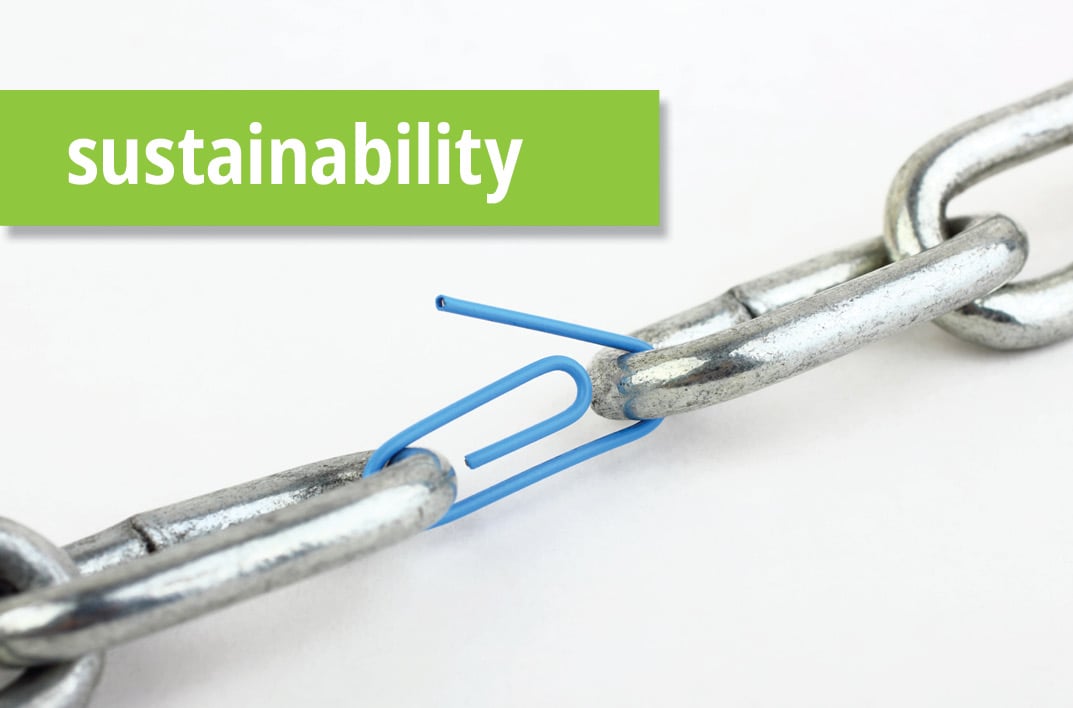
Photo by:Aslan Alphan/iStock/Getty Images Plus