Improving Manufacturing Safety by Engaging Employees

In manufacturing, the most common causes of injury among workers are overexertion (36 percent), followed by slips, trips and falls (20 percent) and being struck by an object (10 percent).
For first-year employees, who account for 37 percent of all workplace claims overall, the top three claim causes are the same but the percentages differ: 31 percent, 18 percent and 15 percent, respectively. Employees 60 and older miss an average of 16 more days of work compared with the industry average (80 days).
These statistics, from the 2026 Travelers Injury Impact Report, emphasize the importance of workplace safety, whether that’s on the factory floor, in a warehouse, a construction site or elsewhere. They amplify the ongoing need to identify and address potential workplace safety risks and to establish dynamic safety programs and education — for all ages of workers.
Asking relevant questions — Is this the right way to do this? Do we have systematic gaps in safety that we’ve just been working around for years? — can help organizations identify potential issues and improve safety on the manufacturing floor, says Chris Hayes, risk control assistant vice president for workers’ compensation and transportation at multinational insurance company Travelers.
For the report, the company analyzed 1.2 million workers compensation claims from 2021 through 2025. In manufacturing, claims that impacted injured employees the most — and had a cost of US$250,000 or more were due to (1) overexertion, (2) slips, trips and falls, (3) caught-in or caught-between hazards, (4) being struck by an object and (5) motor vehicle accidents.
Rethinking What’s Needed
Employers are always stunned by the statistics, Hayes says: “And it always leads to a lot of questions, like: Why do new employees have so many claims? Why are there so many lost days? How do we fix all those issues?”
First-year workers. There are numerous reasons the rate is higher for these workers, including that the task they are performing could be designed in an unsafe way or might not perform the task in the correct way. Management, Hayes says, should ask their employees: Are there ways we can make performing your tasks better and easier for you?
“I can't stress enough the importance of having an engaged workforce,” he says. “Talk to your employees, listen to them. While you likely can't promise to change or fix everything, demonstrate that you care and prioritize the things that might make things better in the future.”
Aging — experienced — workers. Injuries may occur among experienced employees because they could be holding onto bad habits — unsafe ways of doing things — instead of using newer, safer techniques, Hayes says. Often, those with experience are asked to train new employees and could pass along unsafe practices, he says.
Especially as workers retire and new people come in, it’s a great time to revisit how safety training is occurring, Hayes says. Rather than have your 25-year employees train new workers, stop and document what is happening and determine the right way to conduct training.
Health issues may have nothing to do with their injuries. “It's not that age as a number that causes problems, but age often goes along with things like muscle tone, loss of balance and comorbidities, and they just tend to come together and become more frequent as we age,” he says. But such health issues can happen at any age, he adds.
The Action Plan
Provide safety training and establish a safety program for all workers, no matter their seniority. What may make it safer for experienced employees will also make it safer for first-year workers, and everyone in-between.
Other actions:
1) Establish a dynamic process for managing injuries when they occur, including whom employees should notify and how to report an incident. Ensure frontline supervisors understand the process, know which medical provider the company uses and can identify the nearest location.
“We’ve found that has an impact on reducing the frequency of injuries as well,” Hayes says.
2) Develop a transitional duties plan for returning employees, taking any medical restrictions into account. “Ensure that when someone comes back, you’re not putting them in an inconvenient spot and that you’re giving them meaningful work to do,” Hayes says.
Also, ensure they maintain contact with management and their coworkers. This also makes returning employees feel valued and able to contribute meaningfully.
Seeing the concern and care the organization demonstrates for injured employees can build employee trust and encourage talking with management regarding workplace safety concerns, Hayes says.
“A lot of employees have that fear that if they get hurt, they’re going to be fired,” he says. “And if you say, ‘If you get hurt, the primary concern is to take care of you and get you the right treatment’ — and your coworkers see that, that builds a higher level of engagement and trust.”
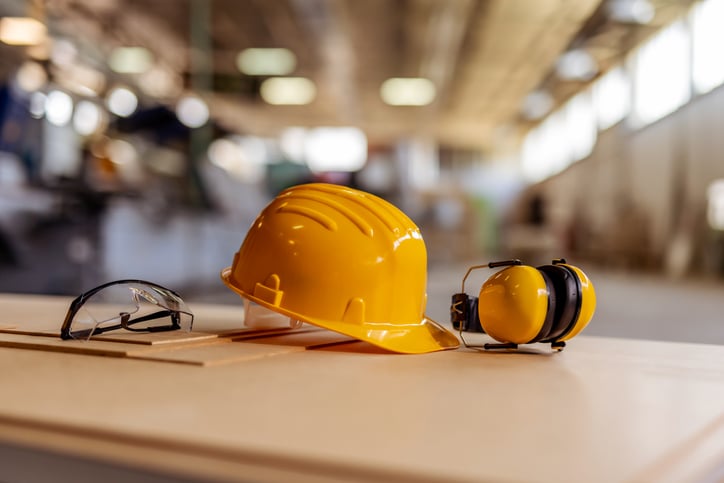
(Photo credit: Getty Images/Ljubaphoto)