Front-Loading Inventory Isn’t Always About Tariffs

While tariffs continue their ever-changing trajectory, organizations are searching for the right strategies to proactively stay ahead of disruption, cost increases and risk — and ensuring the right amount of production and inventory.
There’s no one-size-fits-all or easy answer. Every situation is slightly different. Should we move manufacturing somewhere else? Should we onshore or nearshore? Should we buy ahead because higher tariffs are coming?
“These are reactive moves and they’re not always the right move,” says Manish Kapoor, CEO of Growth Catalyst Group (GCG) Companies. “And if they are not well planned, the risk is significantly high.”
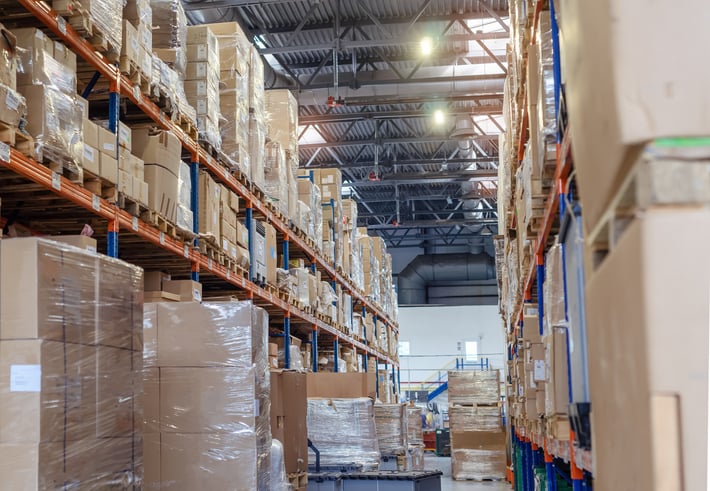
One common reaction to the anticipation of higher tariffs is thinking that buying ahead is the best move. While front-loading inventory can help avoid higher tariff costs, it locks in the cash you would have spent in the future to buy the product when you need it.
Buying upfront also increases warehouse and storage costs, which could become even more problematic should something change in the U.S. economy and consumers don't buy enough, Kapoor says.
“That's like the worst-case scenario now,” he says. “You're sitting on piles of inventory that's not moving. How do you handle that? It's a complex problem and there's no magic silver bullet answer for every case. You have to put together a tactical, surgical plan to solve it.”
Inventory Decisions
So, when it good to front-load inventory and when to hold off? Among the strategies to help gauge inventory needs:
Ensure your data is accurate. Accurate data is key to demand planning and forecasting. If your demand is off and you buy too much, your cash is tied up. If you buy too little, revenue is impacted. Add in tariffs, and the scenario gets worse, Kapoor says.
Continually review your demand forecast. If your demand was lower or higher than expected, what happened? What external issues are impacting the forecast? As changes happen, revisit the forecast.
No two SKU numbers are the same. This is an obvious statement, but when it comes to inventory, each SKU has different demand trends and requirements. “Applying a same-size-fits-all strategy is dangerous to do because you would be buying products in advance that you're not sure of,” he says. “It goes back to the accuracy of your forecast.”
Instead, determine which ones are the fast movers — these are the ones that make more suitable for front-loading, Kapoor says. The risk is lower.
Control what you can, like unit price. Form partnerships with suppliers and other stakeholders.
“Do you have good partners that give you the best rates regardless of what’s going on as far as shipping freight is concerned? Once freight shows up in the U.S., what are you paying for storage?” Kapoor says. “If your product is going to big retailers or you’re selling online, are you working with those partners as well? Looking at the end-to-end supply chain, along with data backing accurate forecasting, can give you a lot of ammunition to fight back.”
Organizations can’t control the tariffs that are imposed. “But you can control your decisions based on your data and the partners that you’re picking,” he says.
Remember Customers and Consumers
Tariffs ultimately impact inflation, and as prices go up, demand goes down. With tariffs on some goods reaching 10 percent to 50 percent, it’s often the consumers and customers who end up paying the increases. And they often have only limited dollars to spend.
This poses additional questions for supply chain managers: Do you continue buying from the same suppliers? Do you optimize for location, finding other sources? Do you nearshore or onshore?
Have you negotiated with suppliers and manufacturers around tariff costs and discounting prices?
“It’s a dynamic world, and as things shift, you have to shift,” Kapoor says. “It’s really about adaptability. And that adaptability comes not only with great data planning, but also supply chain solutions that are resilient.”
But planning is one thing, and execution is another. “You can come up with great game plans,” Kapoor says, “but if you don’t have the right infrastructure, teams and technology to actually execute, it remains an idea or a theory right at that point.”
(Photo credit: Getty Images/TodayDesign)